
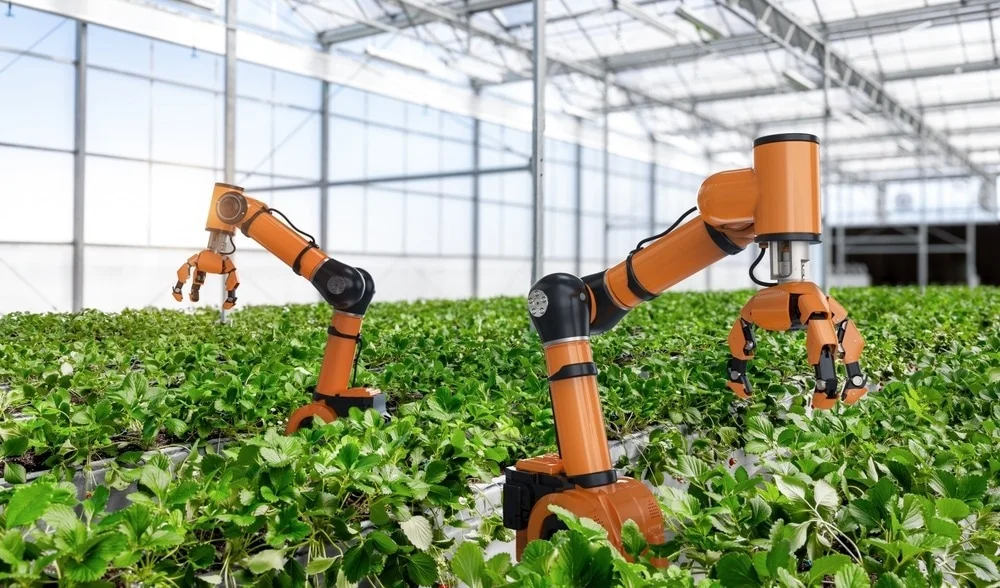
Sustainable farming techniques for small farms focus on using natural resources wisely to grow healthier crops and protect the environment. This eco-friendly approach benefits farmers, local communities, and future generations. By reducing chemical use and promoting biodiversity, sustainable farming strengthens soil health, conserves water, and builds resilience against climate change.
Traditional farming methods often prioritize short-term gains, leading to soil degradation, water pollution, and increased greenhouse gas emissions. In contrast, sustainable agriculture supports long-term productivity by improving soil fertility, protecting wildlife, and ensuring financial stability for small-scale farmers.
Best Sustainable Farming Techniques for Small Farms
Here are the most effective sustainable farming methods that small farms can adopt to create a more resilient and productive agricultural system.
1. Organic Farming

Organic farming avoids synthetic pesticides and fertilizers. Instead, it relies on natural pest control, compost, and crop diversity. This method enhances soil biodiversity, supports pollinators, and produces healthier food. Many consumers prefer organic products for their safety, freshness, and nutritional value.
➡️ Learn more: USDA Organic Farming Practices
2. Crop Rotation
Crop rotation involves planting different crops in the same field over time. This reduces pest infestations and soil diseases while improving soil structure and fertility. For example, alternating corn, beans, and wheat enriches the soil with nitrogen and prevents nutrient depletion.
➡️ Related resource: FAO: Crop Rotation for Soil Health
3. Soil Conservation
Soil conservation protects valuable topsoil from erosion and degradation. Techniques include planting cover crops, practicing minimal tillage, and leaving crop residues on the soil surface. Cover crops such as clover or rye prevent erosion, enhance soil organic matter, and improve water retention.
➡️ More info: NRCS: Soil Health Principles
4. Agroforestry
Agroforestry integrates trees and shrubs into farmland. Farmers can grow crops between tree rows or use trees as windbreaks and shade for livestock. This method improves biodiversity, reduces soil erosion, conserves water, and captures carbon from the atmosphere—making farms more climate-resilient.
➡️ Explore: World Agroforestry Centre
5. Integrated Pest Management (IPM)
Integrated Pest Management combines biological, cultural, and chemical tools to control pests effectively and sustainably. Farmers use beneficial insects, crop rotation, and selective pesticide application only when necessary. IPM reduces reliance on harmful chemicals and maintains ecological balance.
➡️ Resource: EPA: Integrated Pest Management (IPM)
Why Small Farms Should Switch to Sustainable Practices
-
Higher Profits: Crop rotation and natural pest control lower costs for fertilizers and pesticides, increasing net income.
-
Resource Conservation: Sustainable farming saves water, prevents soil erosion, and maintains long-term land productivity.
-
Healthier Food: Natural pest management ensures safer, chemical-free produce for consumers.
-
Climate Resilience: Green methods help farms withstand droughts, floods, and unpredictable weather patterns.
-
Community Growth: Supporting local inputs and markets strengthens rural economies and creates sustainable livelihoods.
Conclusion
Sustainable farming techniques for small farms not only improve productivity and profit but also protect the planet. By adopting methods like organic farming, crop rotation, and soil conservation, farmers can build healthier ecosystems and ensure a greener future for all.
Leave a Reply