
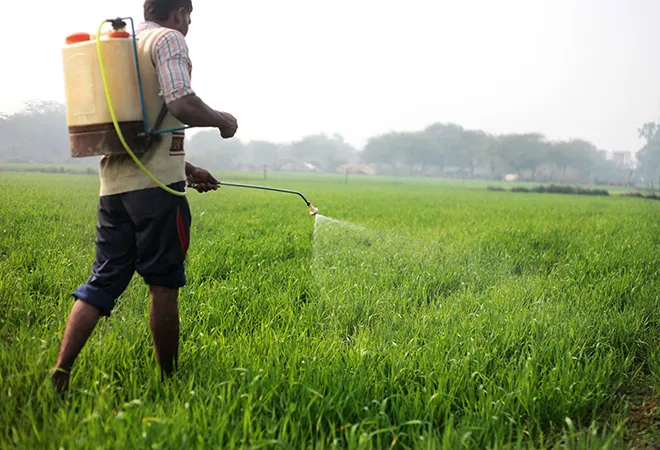
Farming depends heavily on weather, climate, and access to natural resources like land and water. As the climate changes, temperature shifts, altered rainfall patterns, and extreme weather events affect how and where food is produced. While some regions may benefit from longer growing seasons, many others will face increased challenges to agriculture and food production.
The Link Between Climate Change and Food Security
The impact of climate change on farming depends on how quickly the climate changes and how well farmers can adapt. These environmental changes pose a serious threat to global food security, poverty reduction, and sustainable development.
By 2050, the global population is expected to increase by one-third, mostly in developing countries. As a result, food demand will rise by nearly 60%. Meeting this demand will require major improvements in agriculture — making it more efficient, sustainable, and resilient to extreme weather.
However, climate change complicates this goal. More frequent floods, droughts, and storms already reduce crop yields, destroy farmland, and lower incomes in vulnerable communities.
To achieve food security, farming must:
-
Increase productivity
-
Use resources more efficiently
-
Build resilience to climate risks
-
Reduce greenhouse gas emissions
How Climate Change Threatens Food Security
Climate change affects food security in several interconnected ways:
-
Rising temperatures reduce crop yields and livestock productivity.
-
Water scarcity limits irrigation and food processing.
-
Extreme weather events like floods, droughts, and wildfires destroy crops and infrastructure.
-
Rising sea levels damage coastal farmland and fisheries.
-
Declining food quality impacts nutrition and public health.
Communities in island nations, arid regions, and coastal areas face the greatest risks, especially where poverty, weak infrastructure, and poor governance make adaptation harder. Recent events — from floods in Libya to droughts in South Africa and wildfires in Hawaii — show how climate disasters directly threaten food security.
We must reduce global carbon emissions, promote climate-smart farming, and strengthen food systems worldwide.
Solutions to Climate Change and Food Security
Here are five key solutions to protect global food supplies and strengthen agriculture in a changing climate:
1. Adopt Sustainable Farming Practices
Sustainable methods like conservation agriculture and agroforestry improve soil fertility, boost biodiversity, and enhance water retention.
Technologies such as remote sensing and precision irrigation help farmers use water more efficiently.
Examples:
-
In Pakistan, rice farmers use an alternate wetting and drying method to save water.
-
In Italy, Austria, and Australia, satellite data helps optimize irrigation and land management.
2. Implement Climate-Smart Policies and Financing
Farmers need access to loans, crop insurance, and climate-risk funding to recover from disasters.
Governments should invest in research for drought- and heat-resistant crops.
For instance, Mali’s climate strategy combines science and local collaboration to guide resilient investments in agriculture.
3. Improve Food Storage and Transport Systems
Investing in storage infrastructure such as silos and cold rooms reduces post-harvest losses.
Hermetic storage bags can preserve grains and seeds by preventing moisture and pests.
Efficient transport networks ensure food reaches markets safely, minimizing waste.
4. Promote Climate-Resilient Livestock Farming
Livestock management should focus on climate-tolerant breeds and methane-reducing practices.
Technologies like anaerobic digesters can capture methane for renewable energy, turning waste into profit.
5. Strengthen Weather Forecasting and Early Warning Systems
Accurate weather data allows farmers to plan for droughts, floods, and pest outbreaks.
Kenya’s early warning systems send mobile alerts to farmers, helping them protect crops and livestock in advance.
How Farming Can Withstand Climate Change
Creating a climate-resilient agricultural system requires innovation, adaptation, and efficiency.
Use Water More Efficiently
-
Employ soil moisture sensors and satellite monitoring to optimize irrigation.
-
Adopt alternate wetting and drying techniques in rice farming to conserve water and cut methane emissions.
Grow Drought-Tolerant Crops
-
Replace water-intensive crops like rice with corn, beans, or millet.
-
Diversify crops to improve resilience against pests and climate shocks.
Improve Soil Health
Healthy soil absorbs more water, reduces erosion, and supports stronger plant growth.
-
Practice no-till farming and cover cropping to retain carbon and moisture.
-
Reduce chemical fertilizers and focus on organic soil enrichment.
These green methods could achieve up to 37% of necessary emission reductions, but they require education, financial support, and policy incentives — especially for small-scale farmers.
Conclusion
To secure our future, agriculture must evolve into a fair, inclusive, and sustainable system. Climate-smart farming empowers smallholders — especially women — to participate in shaping solutions.
Supporting local food systems, reducing waste, and protecting natural resources are crucial steps toward a resilient, climate-friendly food future.
Together, we can nourish the world and protect the planet.

Leave a Reply