
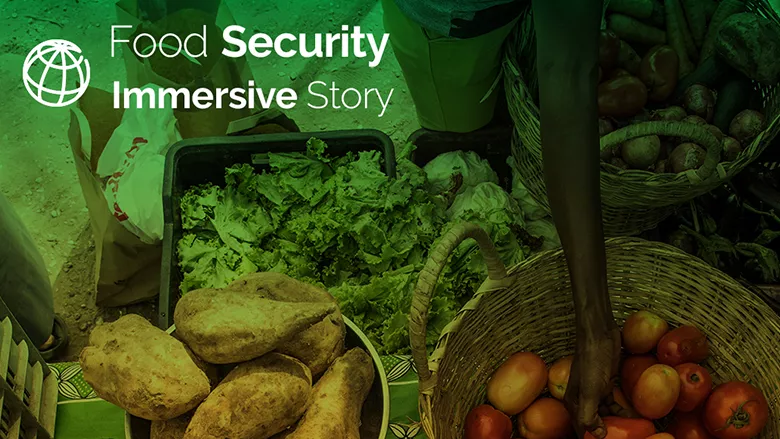
Global Food Security 2025 is at a critical point. Around the world, millions face rising food prices, crop failures, and hunger driven by climate change, conflict, and inequality. Ensuring access to safe, affordable, and nutritious food has never been more urgent. Understanding the challenges — and acting on sustainable solutions — is essential for a hunger-free future.
What Is Food Security?
Food security has four key pillars:
-
Availability – Enough food must be produced locally and globally. This includes trade, imports, and food storage systems.
-
Access – People must be able to buy or obtain nutritious food. Income levels, food prices, and social customs all affect access.
-
Utilization – This means the body’s ability to use nutrients from food effectively. Safe water, good sanitation, and healthcare all support food utilization.
-
Stability – Food must be available consistently, even during crises like economic shocks, wars, or extreme weather.
These pillars are deeply connected. A disruption in one area — like a poor harvest or supply chain breakdown — can quickly lead to hunger and malnutrition.
Recent Global Food Security Trends (2020–2025)
According to the Global Food Security Index (GFSI), the world saw declining food security scores in the early 2020s. Finland, France, and Sweden continue to rank highest, but developing nations face growing shortages.
Several events worsened the situation:
-
The COVID-19 pandemic disrupted supply chains and jobs.
-
Russia’s war in Ukraine (2022) caused spikes in wheat, corn, and fertilizer prices.
-
Climate change intensified droughts and floods, damaging crops.
-
Inflation and trade restrictions made food more expensive.
By 2023, many regions faced soaring food prices and reduced access to essential nutrition. Countries that restricted exports to control domestic prices often worsened global shortages.
(Outbound link suggestion: FAO – The State of Food Security and Nutrition in the World 2024)
The Role of Climate Change in Food Insecurity
Climate change is one of the biggest threats to food systems in 2025. Rising temperatures reduce crop yields and soil fertility. Irregular rainfall makes planting unpredictable, while droughts and floods destroy harvests and livestock.
Key Impacts of Climate Change on Food Security
-
Reduced agricultural productivity and nutritional value of crops
-
Damage to supply chains due to extreme weather
-
Increased poverty and inequality among smallholder farmers
-
Loss of arable land and water resources
To adapt, we need:
-
Climate-resilient crops and drought-resistant seeds
-
Sustainable farming practices like conservation agriculture
-
Improved weather forecasting and early warning systems
-
Financial support for farmers and vulnerable communities
-
Lower greenhouse gas emissions from agriculture
(Outbound link suggestion: IPCC – Climate Change and Food Security Report)
Food Security Challenges in Nigeria
Nigeria faces some of the toughest food security challenges in Africa. These include rapid population growth, poverty, gender inequality, and climate change.
1. Population Growth
Rising populations increase pressure on land, water, and food systems. Governments must promote family planning and education to manage resource demand.
2. Poverty
Low-income families struggle to afford nutritious food. Poverty reduction programs and job creation initiatives can improve access to healthy diets.
3. Climate Change
Nigeria’s farmers are highly vulnerable to droughts and floods. Investing in irrigation systems, soil management, and climate adaptation is critical.
4. Food Distribution Systems
Poor infrastructure and conflict disrupt transport networks. Improving roads, storage, and logistics ensures that food reaches all communities.
5. Political Instability
Conflicts and corruption weaken agricultural policy and food access. Stable governance and crisis management frameworks are essential.
6. Food Waste
Millions of tons of food are wasted annually. Reducing waste through education and efficient storage can improve food availability.
7. Gender Inequality
Women produce much of Nigeria’s food yet face limited access to land and financing. Empowering women through education and agricultural training boosts food security.
8. Malnutrition
Many Nigerians lack essential nutrients, leading to poor health and productivity. Expanding nutrition programs and health services can address this.
(Outbound link suggestion: World Food Programme – Nigeria)
Solutions to Strengthen Global Food Security
1. Promote Crop Diversity
Monocropping depletes soil and increases disease risk. Diverse crops build resilience and improve nutrition.
2. Close the Yield Gap
Some farms produce far below their potential. Using modern technology, irrigation, and training can raise productivity sustainably.
3. Reduce Food Waste
Around one-third of food produced globally is wasted. Better storage, logistics, and consumer awareness can significantly improve food supply.
4. Educate and Empower Communities
Teaching young people about healthy diets and sustainable farming encourages long-term change. Schools play a major role in promoting food literacy.
5. Support Local Food Systems
Investing in local agriculture and farm-to-market programs strengthens communities and reduces reliance on imports.
(Outbound link suggestion: UN Sustainable Development Goal 2 – Zero Hunger)
Final Thoughts
Global food security in 2025 faces unprecedented challenges — from population growth and poverty to climate change and conflict. Yet, there is hope. By investing in sustainable agriculture, climate adaptation, and equal access to resources, we can build a future where everyone has enough nutritious food.

Leave a Reply