
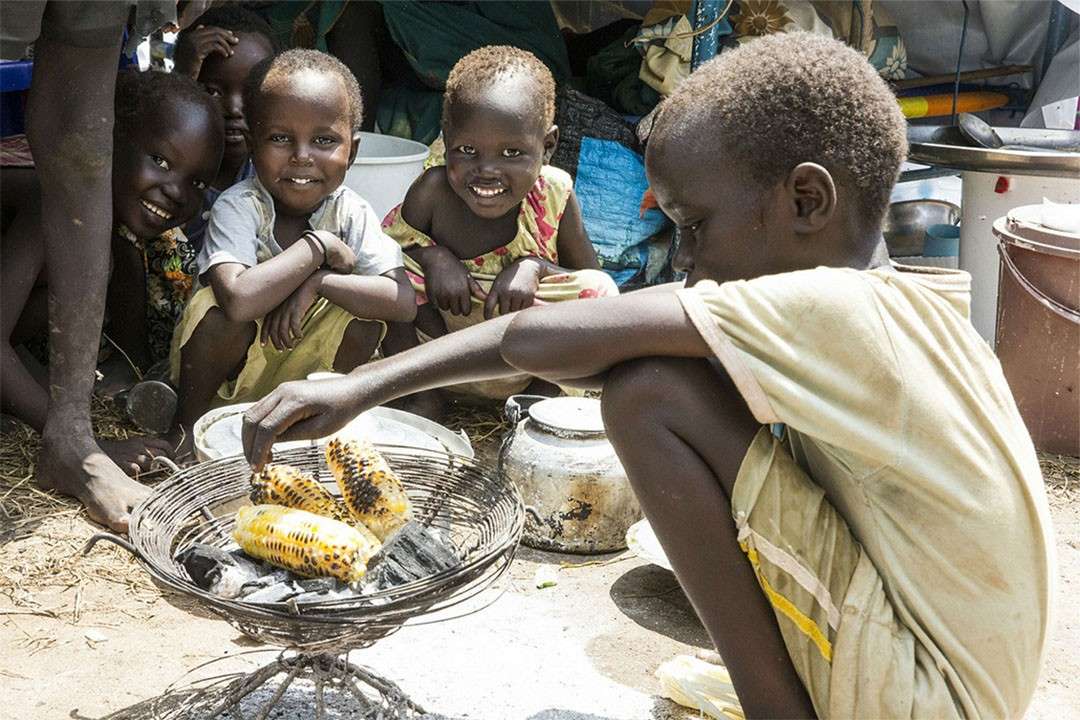
Food security, defined as consistent physical, social, and economic access to sufficient, safe, and nutritious food for an active and healthy life, is intrinsically linked to human development. Factors such as productivity, nutrition, resilience, and empowerment play mediating roles, all while facing significant challenges from environmental degradation and, most urgently, climate change.
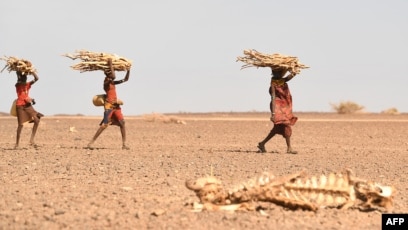
Africa is currently grappling with a food crisis of unprecedented scale. Millions face the escalating threat of hunger, exacerbated by the cascading effects of the war in Ukraine. These global impacts compound the already devastating consequences of conflict, climate variability and extremes, economic downturns, and the lingering aftermath of the COVID-19 pandemic, all disproportionately affecting the most vulnerable. Within this challenging context, social and gender inequalities are worsening, with women and girls bearing a significant brunt of these shocks. Despite concerted efforts across several nations, the African continent remains off track to achieve the food security and nutrition targets outlined in Sustainable Development Goal 2 on Zero Hunger by 2030. Indeed, Africa has the highest prevalence of food insecurity and undernourishment of any world region.
Alarmingly, the Food and Agriculture Organization (FAO) reports that Africa possesses over 60% of the world’s uncultivated arable land, yet annually imports over $43 billion worth of food. This stark disparity between agricultural potential and actual productivity is often attributed to systemic issues, including inadequate infrastructure, weak value chains, and limited access to financing and technology. Recent estimates from 2022 reveal a dire situation: nearly 282 million people in Africa (approximately 20% of the population) were undernourished, a staggering increase of 57 million since the onset of the COVID-19 pandemic. Furthermore, about 868 million people experienced moderate or severe food insecurity, with more than a third of them—342 million people—suffering from severe food insecurity.
AFRICA FOOD AID AND SUPPORT
In the face of this profound crisis, various international organizations are actively engaged in providing food aid and support to affected African countries. These crucial efforts encompass direct food distribution, nutritional assistance, and programs designed to enhance food production and improve livelihoods.
Some key organizations dedicated to this vital cause include:
Action Against Hunger: Focuses on treating malnutrition, supporting livelihoods, and promoting sustainable agriculture.
U.S. Agency for International Development (USAID): Provides comprehensive food security assistance and champions sustainable agricultural practices across Africa.
International Committee of the Red Cross (ICRC): Delivers humanitarian aid, including food, to populations impacted by conflict.
African Development Bank (AfDB): Invests in economic development and social progress in Africa, with a significant emphasis on food security initiatives.
World Vision: Offers aid, supports clinics, and works to improve water systems in vulnerable regions.
World Food Programme (WFP): Provides critical food assistance in emergencies, fosters pathways to peace, and supports recovery efforts following conflicts and disasters.
SOLUTIONS TO THE AFRICA FOOD CRISIS.
Addressing the multifaceted challenges of food insecurity in Africa requires a comprehensive and collaborative approach. Key solutions include:
Food Banks and Donations: Food banks serve as vital lifelines for families facing hunger, providing a sense of security amidst uncertainty. Both monetary and in-kind donations are transformative, bridging critical gaps during difficult times.
Agricultural Development: Empowering farmers with essential tools, comprehensive training, and access to modern technology is fundamental to fostering self-reliance and strengthening food systems. Community-based agriculture programs are also crucial for ensuring a consistent supply of local food.
Climate Adaptation: Investing in the development and widespread adoption of climate-resilient crops and innovative water conservation methods is essential to help communities withstand environmental shocks and secure their food sources.
Emergency Relief Programs: Robust relief programs are critical for saving lives during crises. Whether distributing meals after natural disasters or providing aid to refugees, these programs offer hope and underscore our shared humanity.
Global Partnerships: Collaborative efforts among governments, non-governmental organizations (NGOs), and international bodies are paramount. Such partnerships amplify the impact of initiatives to combat hunger, ensuring that no one is left behind.

Leave a Reply