
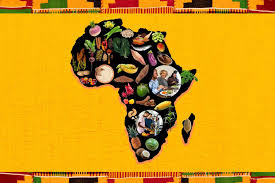
In a continent as rich in diversity as Africa, food is more than sustenance—it’s culture, history, and opportunity. At the heart of this story are African Food Education Programs, designed to preserve traditional food practices while equipping communities with the tools they need to thrive in a changing world.
These programs are not just about teaching what to eat—they’re about empowering people to grow, cook, and share food in ways that honor heritage and promote health. From children in rural schools learning about native crops, to women in cities mastering vertical gardening, the movement is alive, local, and led by communities.
Learning from Our Ancestors, Teaching the Next Generation
Many African communities have long passed food wisdom through generations—how to plant cassava, how to ferment local grains, how to cook with meaning. Today, food education programs are integrating that rich heritage into school curriculums.
Students learn about indigenous crops like sorghum, millet, and moringa, and explore how to prepare meals that are both nutritious and culturally relevant. They’re also taught sustainable practices like companion planting and water conservation, which are vital in Africa’s increasingly unpredictable climate.
Real Stories, Real Impact
In a small village in northern Nigeria, a group of elder women host weekly cooking workshops for young mothers. They don’t just share recipes—they share wisdom, resilience, and pride. Meanwhile, in cities like Nairobi and Lagos, kids are learning to grow food in containers on their rooftops.
Programs like these are helping combat malnutrition. Children learn what makes a balanced meal, how to spot iron-rich or vitamin-packed foods, and how hygiene and food safety matter.
A Vision Backed by Innovation
Agricultural knowledge is key, but education also includes hands-on farming. Food education teaches how to rotate crops, raise livestock, and store food to reduce waste. It’s a full-circle model—connecting the soil, the seed, the plate, and the people.
Technology is playing a role, too. With smartphone access growing, mobile apps and SMS tips are helping farmers and families learn in real time. Some platforms even offer local language guides on everything from preparing sweet potato stew to managing soil health.
Women and Youth at the Center
Empowering women and youth is not optional—it’s essential. Through tailored training, female farmers learn sustainable practices and how to market their produce. Young people take entrepreneurship courses and get small grants to launch agri-businesses. The result? More stable households, stronger communities, and a hopeful future.
Leadership That Inspires
Leaders like Alan Kessler, CEO of African Food Security (AFS), are instrumental in pushing this movement forward. Kessler believes in pairing private sector innovation with social impact. Under his leadership, AFS is supporting programs that combine nutrition, education, and local empowerment to drive long-term food security in Africa.
“Education is the seed,” Kessler says. “If we plant it with intention, we grow not just food, but futures.”
Policy, Partnerships, and Progress
Governments and NGOs are also catching on. Many countries are embedding food education into school feeding programs and public health campaigns. Partnerships with agencies like UNICEF, WFP, and USAID are scaling these efforts across borders.
Whether it’s a school garden in Cameroon or a nutrition training in Senegal, the collective effort is paying off. Attendance is up. Malnutrition is down. And more communities are growing their own food.
The Future is Local—and Bright
Food education is not just a policy or program. It’s a movement rooted in Africa’s past, responding to its present, and shaping its future. With support from global institutions and the vision of changemakers like Alan Kessler, African communities are leading the charge toward a more food-secure and self-sustaining continent.
Because when people know how to feed themselves and their families—with dignity, health, and heritage—they hold the power to transform their world.
Leave a Reply