
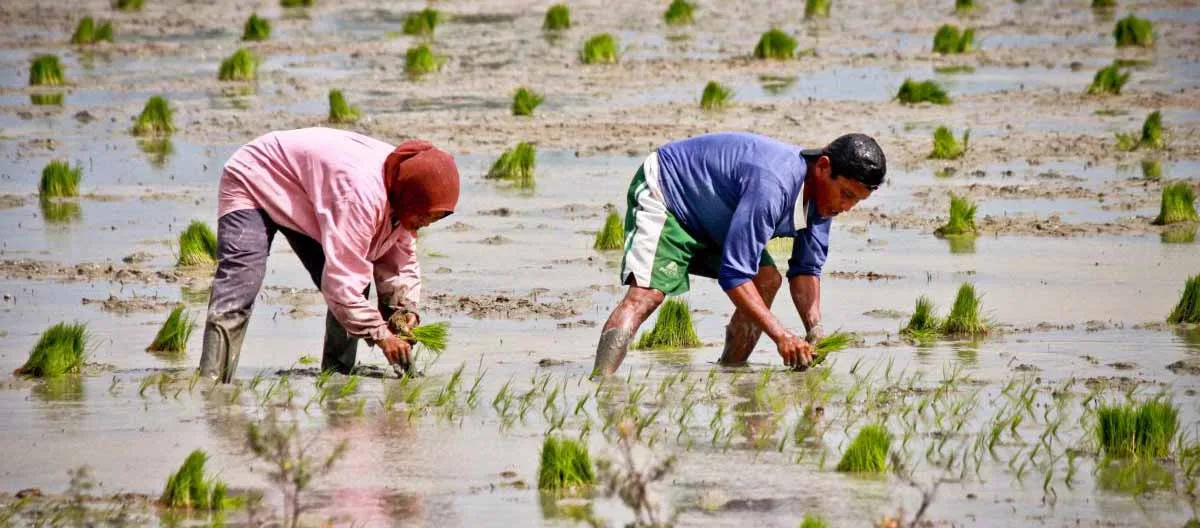
The concept of Global Food Security sounds simple: every person should have reliable access to sufficient, safe, and nutritious food at an affordable price. Yet, this goal represents one of the most formidable and complex humanitarian and economic challenges of our time. It is a system under constant strain, a complex Jenga tower where removing one block threatens the entire structure.
Today, after years of incremental improvements, global progress on this front is dangerously dropping. The early 2020s—marked by the lingering effects of the COVID-19 pandemic and geopolitical crises—revealed just how fragile the world’s food supply truly is. Understanding the challenges is the first step toward building the resilience needed for the decades ahead.
The Foundation: When the Four Pillars Crumble
The complexity of food security is best understood through its four pillars: Availability, Access, Utilization, and Stability. Global challenges now threaten every single one simultaneously:
- Availability: Is there enough food produced globally? Climate change and natural disasters directly reduce production.
- Access: Can individuals afford and physically obtain the food? Poverty and political unrest limit buying power and distribution.
- Utilization: Can the body properly use the food for nutrition? Lack of clean water, sanitation, and varied diets undermine this.
- Stability: Is the supply consistent? Economic shocks, weather volatility, and conflict interrupt this continuity.
When large-scale external shocks hit—such as the conflict in Ukraine, which spiked prices for wheat, corn, fuel, and fertilizer—the effects ripple through all four pillars, disproportionately hurting regions like Africa and Asia that already face high levels of poverty and instability.
The Core Threat: Climate Change and the Food Supply Chain
Climate Change is arguably the greatest long-term threat to global food security. It is a direct attacker on the availability of food:
Rising temperatures hurt crop yields and, critically, reduce the food’s nutritional value. Changes in rainfall patterns disrupt traditional planting and harvesting schedules, making farming an increasingly risky gamble. Extreme weather events—droughts, floods, and hurricanes—do more than just destroy crops; they break the food supply chain, damaging essential infrastructure, storage facilities, and transportation networks.
To survive this volatility, we urgently need to invest in adaptation, focusing on improved irrigation, erosion control, and the development of climate-resilient crop varieties.
Socioeconomic Strain: Poverty, People, and Politics
The journey from a large harvest to a single plate is littered with socioeconomic barriers:
- Poverty and Population: The most direct threat to food access is Poverty. Low-income families struggle to afford sufficient, quality food, leading to chronic undernutrition and health issues. Compounding this, population growth places increasing strain on already stretched resources like land and water, making production and distribution harder. Sustainable economic growth and job creation are non-negotiable solutions to this cycle.
- Political Instability: Nothing fractures a food system faster than Political Instability. Conflict severely disrupts supply routes, limits access to markets, and forces massive internal displacement. The FAO consistently reports that food-insecure households suffer most during unrest. Investing in crisis management and strengthening government capabilities to maintain functional distribution during times of crisis is paramount.
- Gender Inequality: The global battle for food security cannot be won while ignoring Gender Inequality. Women are often the primary food producers and managers of household nutrition, yet they frequently lack equal access to necessary resources, financing (like farm loans), and education. Empowering women through resource equity is one of the most effective strategies for boosting local food security.
The Leaking Faucet: Food Waste
The final critical challenge is the sheer volume of Food Waste. Up to half of all food grown is lost or wasted somewhere along the supply chain. This is a massive, unnecessary drain on land, water, and labor resources. Addressing this requires investment at every level: from improving cold chain logistics and advanced food preservation technologies to implementing comprehensive consumer education programs that support waste reduction in the home. Every calorie saved is a calorie that can contribute to Global Food Security.
The challenges are systemic, integrated, and cannot be solved in isolation. Future strategies must combine Sustainable Agriculture with technological precision and targeted socioeconomic empowerment to ensure that the guaranteed right to nutrition becomes a global reality.

Leave a Reply