
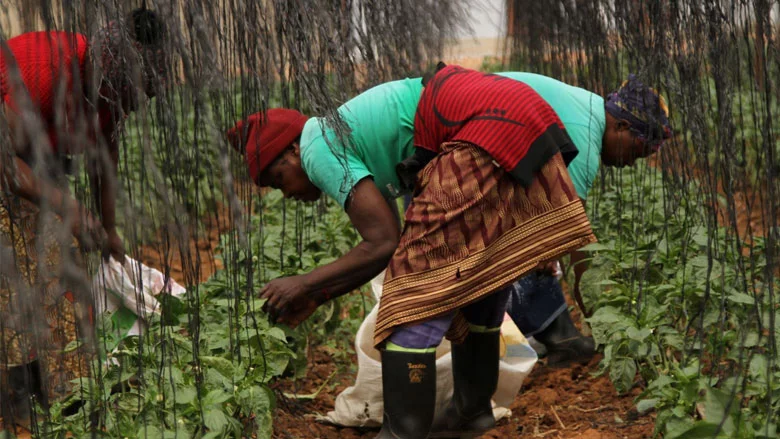
West Africa represents a critical intersection of the global food security crisis. While the foundational challenges—Availability, Access, Utilization, and Stability—affect the entire world, they are dramatically amplified across the Sahel and coastal nations by unique regional factors. Understanding the specific compounding pressures in this region is essential for designing effective, localized solutions.
Amplified Threats to Availability
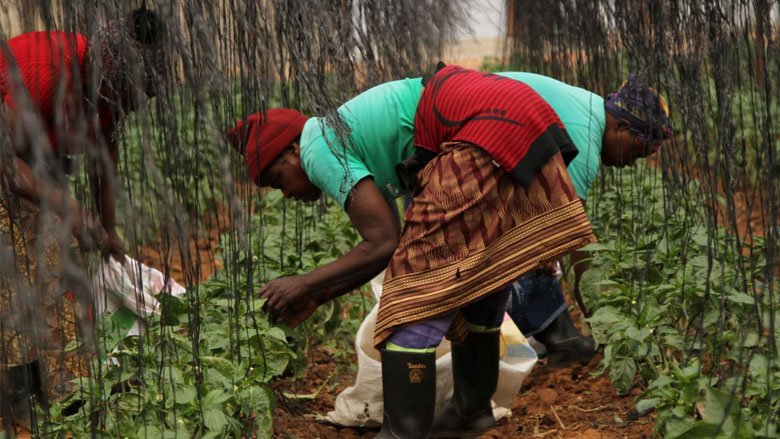
The challenge of Food Availability in West Africa is profoundly impacted by two primary forces: the climate crisis and the pressure of a rapidly growing population.
- Climate Vulnerability: The region is highly exposed to the effects of Climate Change. The expansion of the Sahara desert and erratic rainfall patterns directly degrade arable land, leading to significant crop yield reduction and decreased nutritional value in staple foods. Extreme weather events, such as prolonged droughts and sudden, devastating floods, frequently destroy harvests and wipe out livestock, pushing vulnerable communities into immediate crisis. The region urgently needs investment in climate-resilient farming techniques and drought-resistant crop varieties to stabilize supply.
- Resource Strain from Population Growth: High Population Growth rates put immense pressure on finite resources, particularly water and land. As the population expands, agricultural lands are fragmented, over-cultivated, or converted for settlement, making sustained optimal food production nearly impossible and exacerbating the distribution challenges.
Barriers to Access and Stability
Even when food is locally available, the journey to the table is fraught with Socioeconomic Strain, severely undermining the pillars of Access and Stability.
- Political Instability and Conflict: The Sahel region is characterized by pervasive Political Instability and conflict, which acts as the single greatest disruptor to food security. Insurgencies and internal displacement:
- Fracture Distribution: Conflict makes it impossible for food aid or commercial goods to reach markets.
- Displace Farmers: Farmers abandon their land, leading to failed harvests.
- Hike Prices: Scarce supplies and high risk drive prices far beyond the reach of the poor.
Investing in crisis management and establishing secure humanitarian corridors is paramount to protecting vulnerable households, who, as the FAO consistently notes, suffer the most during unrest.
- Poverty and Market Dysfunction: Poverty remains the most direct barrier to access. Low-income households, particularly in rural and marginalized urban areas, cannot afford the inflated prices of staple foods. Furthermore, market dysfunction—poor road infrastructure, corrupt checkpoints, and lack of organized storage—means that food produced in one area often cannot efficiently reach a deficit area, leading to local surpluses and concurrent local shortages. This economic instability is often worsened by global commodity price spikes (like those seen recently with fertilizer and fuel), which render local production unaffordable.
Addressing Utilization and Waste
The challenges of Utilization (how the body uses nutrients) and Food Waste compound the crisis:
- Malnutrition and Sanitation: Utilization is frequently undermined by poor sanitation, lack of clean water, and inadequate healthcare, meaning that even consumed food fails to deliver its full nutritional benefit. Chronic undernutrition in children remains a devastating symptom of low food security.
- Post-Harvest Losses: A significant proportion of the food produced in West Africa is lost before it reaches the consumer. Unlike in wealthier countries where consumer waste is high, West African food loss occurs primarily due to poor storage, lack of refrigeration (the cold chain), and inefficient processing immediately after harvest. Investment in community-level storage technologies and small-scale processing facilities is a high-return solution to combatting this post-harvest loss.
Building Resilience
To move from crisis management to genuine resilience, West Africa needs comprehensive, integrated strategies:
- Empowering Women: Supporting Gender Equality by providing women farmers with access to financing, quality seeds, and agricultural education is a proven strategy to boost productivity and improve household nutrition.
- Sustainable Economic Cycles: Creating local, non-agricultural jobs and investing in microfinance can lift families out of Poverty, increasing their purchasing power and market access.
- Technological Adoption: Deploying localized early warning systems and climate data enables farmers to adapt planting schedules and mitigate the worst effects of erratic weather.
The solution requires global partnership, but its implementation must be local, focusing on fortifying the region’s inherent potential against the perfect storm of political and environmental challenges.

Leave a Reply