
Somaliland’s Moment?
This week on The Horn, Alan is joined by Guleid Ahmed Jama, a Hargeisa-based lawyer and political commentator, to discuss Somaliland’s push for recognition. They revisit Somaliland’s decision to declare independence from Somalia in 1991 and trace how Hargeisa’s relations with Mogadishu have evolved since then. They discuss Somaliland’s memorandum of understanding with Ethiopia in 2024 – reportedly granting Ethiopia port access in exchange for potential recognition – which stirred domestic debate and regional tensions, and explore how Somaliland’s new administration has been managing relations with both Addis Ababa and Mogadishu. They explore prospects of greater U.S. engagement under the Trump administration, potentially linked to military access, and discuss how Hargeisa’s ties with global powers and regional actors might evolve as Somaliland continues to assert itself internationally. For more, check out Crisis Group’s recent analyses, “Somaliland’s Peaceful Handover Withstands Neighbourhood Strains” and “The Stakes in the Ethiopia-Somaliland Deal”. Hosted on Acast. See acast.com/privacy for more information.
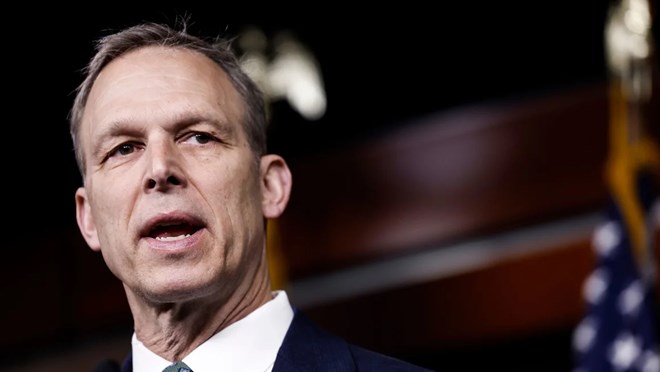
Congressman Scott Perry Introduces "Republic of Somaliland Independence Act"
Washington, D.C. – Today, Congressman Scott Perry (PA-10) introduced the Republic of Somaliland Independence Act, legislation formally recognizing Somaliland as a separate, independent nation. The bill redirects U.S. foreign policy to align with a new, stable and self-governing partner in a region of increasing strategic importance to the United States. “For more than three decades, Somaliland demonstrated the kind of governance, stability, and cooperation that America should support,” said Congressman Perry. “Foreign adversaries are on the march in Africa and around the globe, and it’s in our national interest to strengthen relationships with reliable partners who share our values and contribute to our security – whenever and wherever possible.” Somaliland straddles key global shipping routes located along the Gulf of Aden near the Bab el-Mandeb Strait. Currently, the government and political system of Somaliland already operates independently of Mogadishu, the unstable, conflict-ridden and fractured capitol city of Somalia. Somalia’s meritless claims over Somaliland hinder the United States’ ability to forge deeper diplomatic ties with Somaliland, a responsible partner nation that maintains internal order, conducts democratic elections, and actively counters piracy and extremism. “Somaliland has established itself as a stable, democratic, and reliable partner in East Africa. As China expands its influence across the globe, strengthening our alliances with free nations like Somaliland is more important than ever," said Congressman Andy Ogles (TN-O5). "I support the people of Somaliland in their pursuit of independence and look forward to building a strong partnership with them as allies." “This is a smart, strategic bill, and I’m proud to be an original cosponsor of Congressman Perry’s effort to recognize Somaliland. They’ve governed themselves peacefully for decades, built strong ties with Taiwan, and refused to bow to the Chinese Communist Party. They’ve even offered the U.S. military access to a key port in the Gulf of Aden. That’s what a real partner looks like, and it’s time we treated them like one,” said Congressman Pat Harrigan (NC-10). “It is a simple fact that Somaliland is a sovereign and self-governing nation separate from Somalia, and U.S. policy should reflect that," said Congressman Tom Tiffany (WI-07). At a time of intensifying competition with China, Iran, and other hostile actors in the region and around the globe, the United States cannot afford to brush off allies. This bill ensures American leadership remains strong in East Africa, and sends a clear signal that the U.S. will stand with responsible partners who uphold stability and sovereignty.
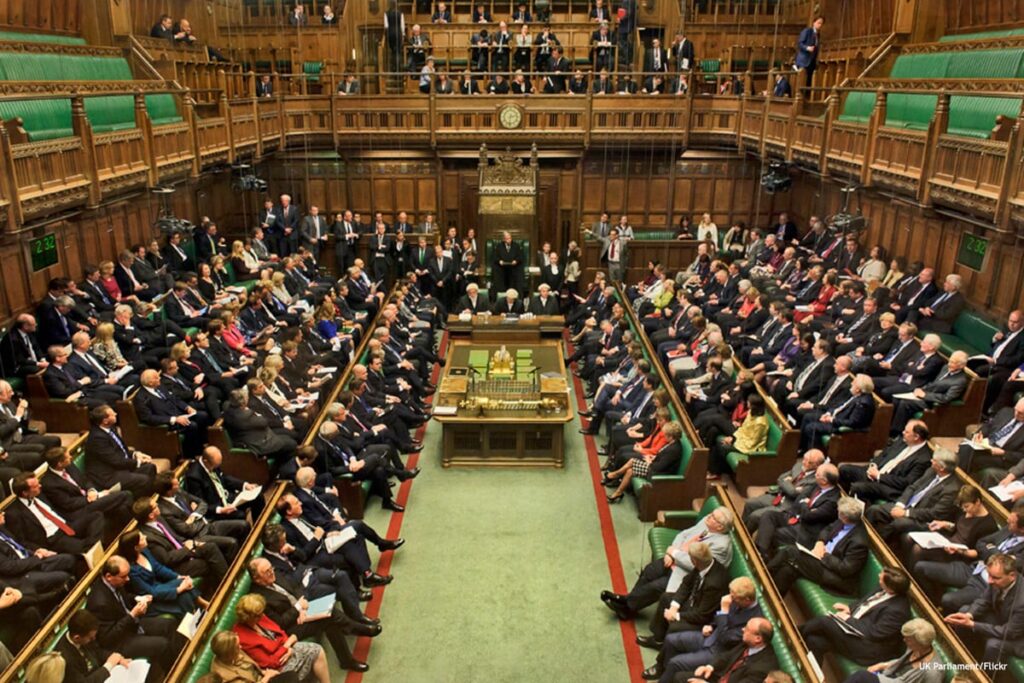
The Time Is Now: UK Parliament Group Pushes for Somaliland Recognition
LONDON — June 24, 2025 — A cross-party group of UK parliamentarians is urging the British Government to formally recognize Somaliland as an independent nation, marking a pivotal shift in London’s potential foreign policy in the Horn of Africa. The call comes ahead of the launch of a landmark report titled “Roadmap to Recognition”, scheduled for June 26 at the House of Commons, coinciding with the 65th anniversary of Somaliland’s independence from Britain in 1960. The report is the latest initiative by the All-Party Parliamentary Group (APPG) on Somaliland, chaired by former UK Defence Secretary Rt. Hon. Sir Gavin Williamson CBE MP. Alongside him, Kim Johnson MP serves as co-chair, with Abtisam Mohamed MP as vice-chair and Lord Udny-Lister as an officer. According to the APPG, Somaliland’s record of peacebuilding, democratic governance, and de facto sovereignty sets it apart in a region long plagued by instability and conflict. The report presents a compelling case for the UK to take the lead in recognizing Somaliland, emphasizing the country’s economic potential, strategic value, and the moral imperative to support functioning democracies. “In a world that is becoming more unpredictable and unstable, the United Kingdom needs all the friends and allies it can get,” said Sir Gavin Williamson. “Somaliland has built a stable and democratic society against all the odds, and is a bastion of good governance in an otherwise volatile region.” The APPG argues that formal recognition would enhance the UK’s strategic influence in East Africa, open new commercial markets, and affirm Britain’s commitment to democratic values on the global stage. It also calls attention to the UK’s historical ties to Somaliland, the significant Somaliland diaspora in Britain, and London’s role as the UN penholder for Somalia — positioning the UK as uniquely suited to champion Somaliland’s cause. A key policy proposal within the report is the creation of an “Independence Institution”, a government advisory body tasked with delivering independent technical guidance and overseeing recognition-related initiatives. Since declaring regained its statehood in 1991, Somaliland has functioned as a self-governing entity with its own government, elections, currency, and security forces. However, it remains unrecognized by the international community, including the African Union and the United Nations. “Somaliland deserved recognition when it re-established its independence in 1991,” Williamson added. “The next best time to recognise Somaliland is now.” The report’s release is expected to reignite debate within British foreign policy circles and among international partners over how best to engage with emerging democratic actors in Africa.